
Admin
April 14, 2026
Choosing how to choose interior paint
colors is one of the most exciting yet challenging parts of
designing a home. The colours you select affect mood, space perception, and the
overall atmosphere of every room. A well-chosen palette can make a small room
feel larger, a dark space feel brighter, and a simple room feel more stylish.
If you are unsure where
to begin, this guide will help you understand how many paint colors in a house interior are
ideal, how to combine shades, and how to stay aligned with modern latest interior house paint
trends without overcomplicating the process.
Colour is more than
decoration. It directly influences how a space feels and functions.
The right colour choices
can:
●
Improve mood and comfort
●
Create visual balance across rooms
●
Highlight architectural features
●
Make spaces feel larger or cosier
Understanding this is
the first step in learning how to choose interior paint colors effectively.
Different colours create
different emotional responses. This is why selecting paint is not just about
style but also about feeling.
Warm tones like beige,
terracotta, and soft yellows create a welcoming and cosy atmosphere. They work
well in living rooms and dining areas.
Cool shades such as
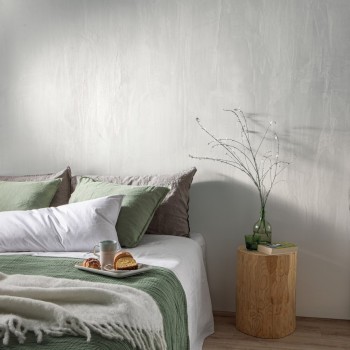
blues, greens, and greys create a calm and relaxing environment. These are
often used in bedrooms and bathrooms.
Neutrals like white,
cream, and grey are the most flexible. They allow furniture and décor to stand
out while keeping spaces clean and modern.
A common question is how many paint colors in a house
interior should be used for best results. While there is no strict
rule, most designers recommend a balanced approach.
A good guideline is:
●
One main base colour for
consistency
●
One or two secondary colours for
variation
●
One accent colour for contrast
This creates harmony
without making the home feel chaotic or mismatched.
One of the most
important parts of how
to choose interior paint colors is ensuring flow between rooms. A
home should feel connected, not disconnected.
You can achieve this by:
●
Using variations of the same base
colour
●
Keeping undertones consistent
●
Repeating accent colours in
different spaces
This approach helps
maintain a unified look throughout your home.
Lighting plays a major
role in how paint colours appear. A shade that looks perfect in a store may
look completely different in your home.
Natural light can make
colours appear brighter, while artificial lighting can make them warmer or
cooler. Always test samples on your walls before making a final decision.
This step is essential
when considering how to
choose interior paint colors for long term satisfaction.
Trends can be helpful,
but they should not completely control your choices. The latest interior house paint
trends often include earthy tones, muted neutrals, and bold accent
walls.
Popular current trends
include:
●
Soft beige and warm neutrals
●
Olive green and earthy tones
●
Deep navy or charcoal accents
●
Minimalist white and grey
combinations
While trends are useful
for inspiration, your personal preference should always come first.
Paint does not exist
alone. It needs to work with your furniture, flooring, and décor.
●
Wooden floors pair well with warm
neutrals
●
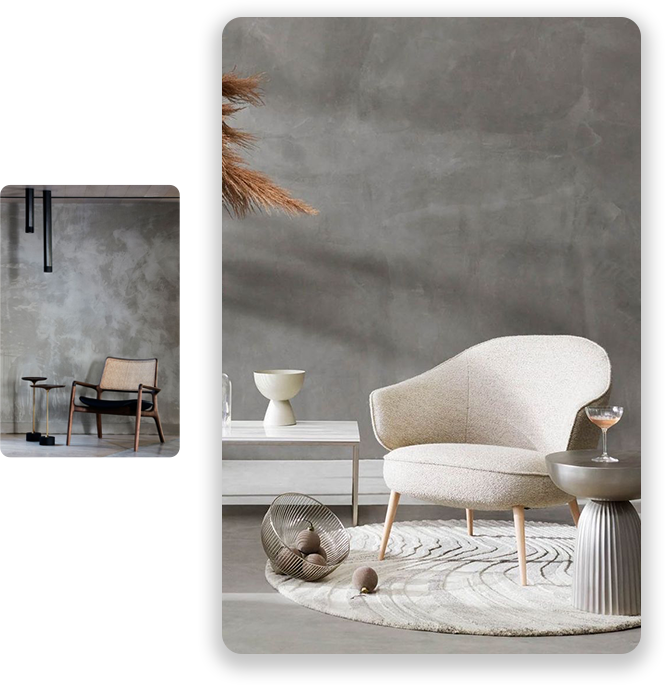
Grey flooring works with cool
tones
●
Bold furniture works best with
neutral walls
Considering these
combinations helps you refine how many paint colors in a house interior you actually need.
Many homeowners struggle
because of simple mistakes:
●
Choosing colours without testing
samples
●
Using too many bold colours in one
home
●
Ignoring lighting conditions
●
Following trends without
considering lifestyle
Avoiding these mistakes
makes how to choose
interior paint colors much easier and more effective.
Accent walls are a great
way to add personality without overwhelming a space. They allow you to
introduce bold colours in a controlled way.
A single accent wall
can:
●
Highlight a focal point
●
Add depth to a room
●
Break monotony in neutral spaces
This is a useful
strategy when working with limited colour palettes.
Learning how to choose interior paint
colors is about balance, planning, and understanding how colour
affects space. There is no fixed formula, but using a structured approach helps
you avoid confusion.
If you are still unsure
about how many paint
colors in a house interior to use, start simple and build gradually.
Focus on flow, lighting, and harmony with your décor.
By combining timeless
design principles with awareness of latest interior house paint trends, you can
create a home that feels both stylish and personal.