
Admin
April 14, 2026
Have you ever admired a beautifully
textured wall and wondered how it was created? You’re not alone. Many
homeowners struggle to choose between lime paint and Venetian plaster when designing
a space.
Both finishes offer depth, elegance,
and a natural feel. But they are not the same. Each has its own look,
application method, and purpose.
In this guide, we’ll break down the key
differences between lime
paint and venetian
plaster paint, helping you decide which is right for your home or
project. By the end, you’ll have a clear understanding of these finishes and
how to use them effectively.
What Is
Lime Paint?
Lime
paint is a natural coating made from
limestone, water, and mineral pigments. It has been used for centuries in homes
and historic buildings.
One of its defining features is how it
interacts with surfaces. Instead of forming a layer on top, it soaks into the
wall. This creates a soft, chalky texture with subtle colour variation.
As part of a natural finishes comparison, lime paint
stands out for its organic look and breathable qualities.
Key
Characteristics of Lime Paint
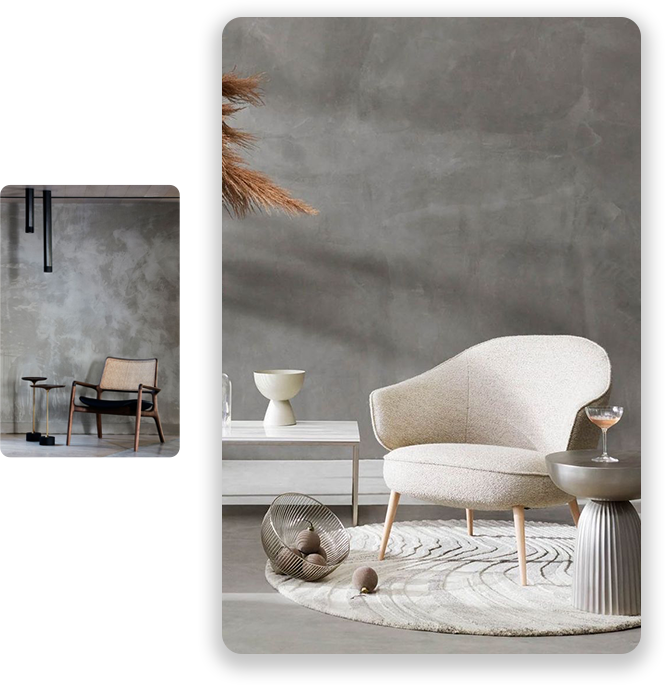
It creates a matte, cloudy finish that
changes with light throughout the day. This gives walls a calm and lived-in
feel.
It is breathable, allowing moisture to
pass through. This reduces the risk of damp and mould.
It is eco-friendly. As a natural
product, it contains fewer chemicals than standard paints.
Many designers use lime paint to create
relaxed, contemporary interiors with a touch of heritage charm.
What Is
Venetian Plaster?
Venetian
plaster paint is a
decorative finish made from lime and marble dust. It is applied in multiple
thin layers and polished to create a smooth or glossy surface.
Often referred to as polished plaster,
this finish is associated with luxury interiors. It delivers a refined,
marble-like appearance that reflects light beautifully.
Unlike lime paint, Venetian plaster
sits on the surface and is worked carefully to achieve its final look.
Key
Characteristics of Venetian Plaster
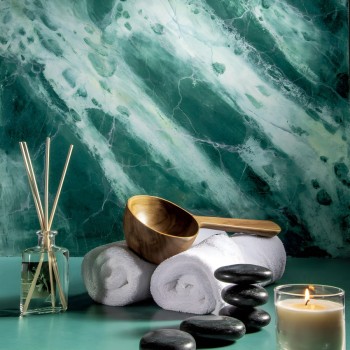
It offers a sleek, polished finish with
a subtle sheen. This makes it ideal for statement walls.
It is highly durable when applied
correctly. The finish can last for many years without losing its appeal.
It allows for a range of effects, from
soft satin to high-gloss marble finishes.
In any natural finishes comparison, Venetian plaster
is seen as the more dramatic and high-end option.
Key
Differences Between Lime Paint and Venetian Plaster
Appearance
and Texture
The most noticeable difference lies in
the finish.
Lime
paint creates a soft, textured look with
gentle variations. It feels natural and understated.
Venetian
plaster paint, on the
other hand, delivers a smooth, polished surface. It appears more refined and
luxurious.
Ask yourself: do you prefer a relaxed
atmosphere or a bold statement?
Application
Process
Applying lime paint is relatively simple. It is
brushed onto the surface using loose, crisscross strokes.
In contrast, polished plaster requires skill and
precision. It is applied with a trowel in multiple layers and then polished.
This makes Venetian plaster more
labour-intensive and often more expensive.
Durability
and Maintenance
Both finishes are durable, but they
behave differently over time.
Lime
paint ages naturally, developing a soft
patina. It may require occasional touch-ups.
Venetian
plaster paint is more
resistant to wear and can be sealed for added protection.
If you need a low-maintenance option,
Venetian plaster may be the better choice.
Cost
Considerations
Budget is often a deciding factor.
Lime
paint is generally more affordable and
suitable for larger areas.
Polished
plaster tends to cost more due to materials
and skilled labour.
However, its premium finish can add
significant value to a space.
When
Should You Choose Lime Paint?
Lime paint is ideal if you want a natural,
relaxed look.
It works well in living rooms,
bedrooms, and spaces where you want warmth and softness.
For example, a homeowner in London used
lime paint
to transform a plain bedroom into a calming retreat. The subtle texture added
depth without overwhelming the space.
It’s also a great choice for older
properties. Its breathable nature helps maintain the integrity of traditional
walls.
If you enjoy a slightly imperfect,
artistic finish, lime paint is a perfect fit.
When
Should You Choose Venetian Plaster?
Venetian plaster paint is best for creating a luxurious,
high-impact finish.
It works beautifully in feature walls,
hallways, and commercial spaces such as hotels or boutiques.
Imagine walking into a modern apartment
with a polished feature wall that reflects light like marble. That’s the effect
of polished plaster.
It’s also ideal for areas that require
durability and easy cleaning.
If you want a bold, elegant statement,
Venetian plaster is the way to go.
Real-World
Comparison: A Practical Example
Let’s compare two spaces.
In one home, the living room walls were
finished with lime
paint. The result was soft, warm, and inviting. The walls had a
natural variation that changed throughout the day.
In another home, the hallway featured venetian plaster paint.
The walls were smooth, glossy, and dramatic. Light reflected off the surface,
creating a striking visual effect.
Both looked stunning. But each served a
different purpose.
This is why a natural finishes comparison
is so important. It helps you match the finish to the function of the space.
Tips for
Choosing the Right Finish
Start by considering the mood you want
to create. Do you prefer calm and subtle or bold and polished?
Think about the room’s function.
High-traffic areas may benefit from the durability of polished plaster.
Consider your budget and timeline. Lime paint is quicker
and more cost-effective to apply.
Finally, don’t be afraid to mix both
finishes. Many designers combine lime paint and Venetian plaster in different areas for a
balanced look.
As one expert puts it, “The best
interiors use contrast to create interest.”
Final
Thoughts
Choosing between lime paint and venetian plaster paint
comes down to style, function, and personal preference.
If you love natural textures and a
relaxed feel, lime
paint is an excellent choice. If you want a sleek, luxurious finish,
polished plaster
offers unmatched elegance.
Both options bring something unique to
your space. The key is understanding how each one works and where it fits best.
Ready to transform your walls? Start by
defining your vision, and let the finish bring it to life.