
Admin
April 14, 2026
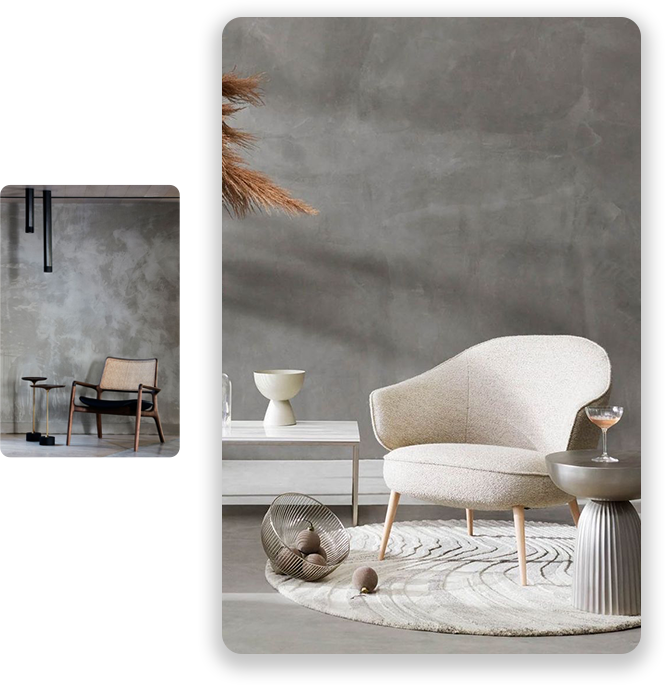
A polished plaster wall
is one of the most striking design choices in modern interiors. It brings
together texture, depth, and natural elegance in a way that paint or wallpaper
cannot match. Instead of being just a background surface, it becomes a design
feature that defines the entire atmosphere of a room.
In recent years,
designers and homeowners have increasingly chosen polished plaster finish solutions for
both residential and commercial spaces because of their seamless look and
luxurious feel. Whether used in minimalist homes or high-end hotels, it adds
timeless character without overwhelming the space.
This guide explores
creative ideas, colour inspiration, and styling approaches to help you
understand how to use polished
plaster walls effectively.
One of the biggest
advantages of a polished
plaster wall is its seamless finish. There are no joints, tiles, or
breaks, which creates a smooth and continuous surface.
Unlike flat paint, polished plaster finish
has natural variation. Light interacts with the surface differently throughout
the day, giving walls a living, dynamic appearance.
It works across multiple
design themes:
●
Modern minimalist interiors
●
Luxury contemporary spaces
●
Industrial-style lofts
●
Classic European interiors
A polished plaster wall
in the living room instantly becomes a focal point. It works especially well
behind sofas or media units, where it adds subtle drama without needing extra
décor.
Neutral tones like
beige, ivory, or soft grey are commonly used for a calm and elegant polished plaster finish.
In bedrooms, polished
plaster is often used behind the bed as a feature wall. It creates a soft,
calming atmosphere that replaces the need for heavy décor.
Warm tones and satin
finishes are ideal here because they create a relaxing environment.
First impressions
matter, and a polished
plaster wall in an entrance hallway sets a premium tone immediately.
It makes narrow spaces feel more refined and architectural.
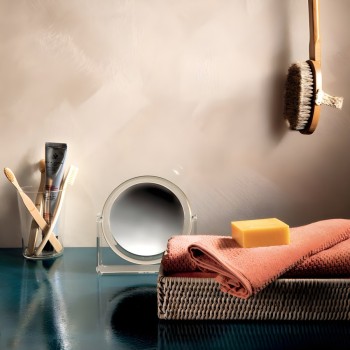
When properly sealed,
polished plaster works beautifully in bathrooms. It creates a spa-like
environment that feels natural, soft, and luxurious.
Light colours are often
used here to enhance cleanliness and brightness.
Neutral shades are the
most widely used for polished
plaster finish designs.
Popular choices include:
●
Soft white
●
Warm beige
●
Light grey
●
Cream tones
These colours enhance
texture and work well with natural lighting.
Earth-inspired colours
make interiors feel grounded and organic.
Examples include:
●
Sand
●
Clay
●
Taupe
●
Light brown
These are perfect for
warm, natural-looking interiors.
Darker tones create bold
and modern statement walls.
Common choices:
●
Charcoal grey
●
Deep black
●
Navy blue
●
Dark olive
These are often used in
luxury commercial spaces.
In minimalist design, a polished plaster wall
replaces decorative clutter. The texture itself becomes the focal point.
Hotels use polished plaster finish
surfaces to create elegance without over-decoration. It adds sophistication
while maintaining simplicity.
Modern homes use
polished plaster in living rooms, kitchens, and bedrooms to create cohesive design
flow.
When combined with
metal, wood, and exposed materials, polished plaster softens industrial
interiors while maintaining edge.
Lighting plays a major
role in how a polished
plaster wall looks.
Sunlight highlights
depth and variation in texture.
Creates a cosy and
inviting glow, especially in living spaces.
Spotlights enhance the
movement and sheen of the polished
plaster finish, making it more dramatic.
Wood adds warmth and
contrasts beautifully with the smooth surface.
Brass, steel, and black
fixtures enhance modern luxury styling.
Combining stone with
polished plaster creates layered architectural depth.
To maintain a polished plaster wall:
●
Clean with a soft cloth
●
Avoid harsh chemicals
●
Do not scrub aggressively
●
Apply wax protection when needed
With proper care, a polished plaster finish
can last many years without losing its appearance.
Too much shine can
overpower a space instead of enhancing it.
Incorrect tones can reduce
the natural depth of the plaster.
Without proper lighting,
the texture may not be fully visible.
A polished plaster wall
is more than just a decorative surface; it is a design statement that brings
texture, depth, and luxury into modern interiors. With the right polished plaster finish,
colour choice, and lighting, it can completely transform any space.
Whether used in homes,
offices, or hospitality environments, polished plaster remains one of the most
elegant and timeless wall finishes available today.