
Admin
April 14, 2026
If you have ever seen a
smooth, stone-like wall surface that looks like marble but feels seamless and
modern, you have likely come across polished plaster. It is one of the most
refined decorative finishes used in interior design today.
Understanding what is polished plaster
helps you appreciate why architects and designers use it in luxury homes,
hotels, and commercial spaces. It combines traditional plastering techniques
with modern aesthetics to create walls that are both functional and visually
stunning.
This complete guide
explains everything about polished
plastering, how it works, where it is used, and why it has become so
popular.
Polished plaster is a
decorative wall finish made from natural lime-based materials mixed with marble
dust or fine aggregates. It is applied in multiple thin layers and then
polished to create a smooth, reflective, or satin-like surface.
Unlike paint, which
simply coats a surface, polished
plaster finish becomes part of the wall itself. It is durable,
breathable, and highly decorative.
In simple terms,
polished plaster is:
●
A multi-layer wall finishing
technique
●
Made from natural materials
●
Polished to create depth and shine
●
Designed to mimic marble or stone
Polished plastering
refers to the application process used to create the finish. It is a skilled
technique that involves layering, smoothing, and polishing plaster over time.
The process typically
includes:
●
Preparing the wall surface
●
Applying a base coat
●
Adding multiple thin plaster
layers
●
Compressing and polishing the
surface
Each stage contributes
to the final appearance of the polished plaster wall, giving it depth and character.
The beauty of polished plaster
comes from its layered structure. Each layer is applied differently to build
texture and variation.
The plaster is applied
in thin coats rather than a single thick layer. This helps create natural
movement and variation in tone.
Special trowels are used
to compress the surface, reducing pores and increasing smoothness.
The final step involves
polishing the surface to create shine, ranging from matte to high gloss depending
on the desired effect.
A soft, natural look
with no shine. Ideal for modern minimalist interiors.
A gentle sheen that
reflects light subtly, creating a balanced and elegant appearance.
A mirror-like surface
often used in luxury interiors to mimic polished marble.
A more rustic version
that highlights movement and depth in the plaster layers.
A polished plaster finish
creates a premium, high-end look similar to natural stone or marble.
Unlike tiles or
wallpaper, there are no joints or seams, making walls look continuous and
smooth.
When applied correctly,
polished plaster can last for many years without losing its beauty.
Because it is
lime-based, it allows moisture to pass through, reducing dampness in walls.
Many polished plastering
systems use natural, non-toxic ingredients.
A polished plaster wall
can be used in a wide range of spaces due to its versatility.
●
Living room feature walls
●
Bedroom accent walls
●
Hallways and entrances
When properly sealed, polished
plaster works well in bathrooms, creating a spa-like atmosphere.
●
Hotel lobbies
●
Restaurants
●
Retail stores
●
Office reception areas
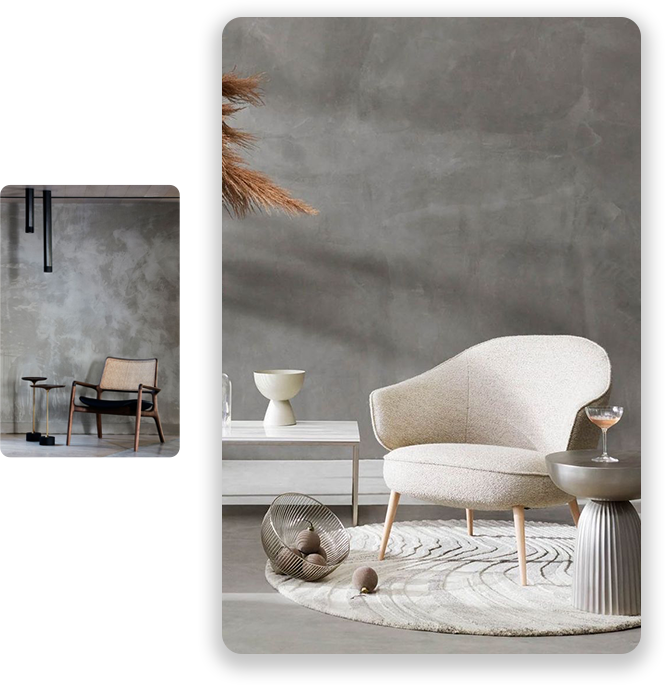
Neutral tones and smooth
finishes create a clean, uncluttered aesthetic.
High gloss polished plaster finish
adds sophistication and elegance.
When paired with metal
and concrete, it softens harsh industrial elements.
Traditional tones and
textures replicate old-world plaster techniques.
●
White
●
Cream
●
Beige
●
Light grey
These colours highlight
texture and light reflection.
●
Clay
●
Sand
●
Warm brown
These create a natural
and grounded feel.
●
Charcoal
●
Black
●
Deep green
Used for dramatic
feature walls.
Paint is flat, while polished plastering
creates depth and texture.
Paint can chip easily,
while polished plaster is more resistant.
Paint is quick to apply,
while polished plaster requires multiple skilled layers.
Polished plaster is more
expensive but offers a premium finish.
To maintain a polished plaster wall,
follow these steps:
●
Clean with a soft, damp cloth
●
Avoid abrasive cleaning products
●
Do not scrub aggressively
●
Reapply wax or sealant when needed
Proper maintenance
ensures long-lasting beauty.
Any imperfections will
show through the final polished
plaster finish.
Too much plaster can
cause cracking and uneven drying.
Each layer must be
allowed to dry properly for best results.
Excess pressure can
damage the surface texture.
Now that you understand what is polished plaster,
it is clear why it is considered one of the most elegant interior finishes
available today. Through skilled polished plastering, walls are transformed into smooth,
durable, and visually rich surfaces that mimic natural stone.
Whether used in homes or
commercial spaces, a polished
plaster wall adds timeless beauty, depth, and luxury that standard
paint simply cannot match.